- Focus on thoughts
- Practical habit changes
- Collaborative goal work
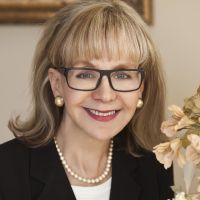
About Anne
She explains problems in plain language and helps people set concrete goals. Sessions often include talking through patterns, testing small changes in daily routines, and learning new ways to handle intense emotions. Anne emphasizes building practical skills people can use between sessions.
Anne trained at Northwestern University and at institutes focused on family therapy and psychoanalysis. Her background includes teaching and supervising students at the college level, and long experience as a clinical fellow in professional family therapy organizations. She draws on this experience to tailor work to each person’s needs.
Her typical approach blends several methods, including attachment-based ideas, client-centered listening, cognitive behavioral techniques, emotionally-focused work, and Jungian perspectives. Anne frames therapy as a team effort - the therapist and client decide what to try and how to measure progress.
She also offers coaching-style support for people who want clear tools and daily accountability. To start, clients complete a short matching questionnaire and schedule sessions based on therapist availability.
Areas of expertise
Primary focus
Also works with
Additional focus areas
Therapeutic approaches
Experience
25+ years
Credentials
Illinois, Michigan, North Carolina, Florida, Virginia
Languages
English
How these approaches can work online
Attachment-based work looks at how early bonds shape current relationships and emotional reactions; it helps when patterns of closeness and distance keep repeating. Client-centered therapy focuses on clear listening and reflection so people feel heard and can find their own solutions. Cognitive Behavioral Therapy (CBT) breaks problems down into thoughts, actions, and feelings and teaches hands-on skills to change unhelpful patterns.Finding the right approach is part of the work. The therapist will talk with each person about their goals and preferences and then suggest which methods to try. Decisions about methods and pace are made together so the plan fits the person's life and needs.
For practical matters, confirm the session options before booking since formats are determined by the therapist's current practice. Online therapy can make it easier to keep regular appointments and to practice new skills between sessions. It also lets people choose settings that reduce travel time, fit around work or caregiving, or allow shorter check-ins when that fits a busy day. Licensed professionals can adapt exercises, homework, and check-ins to the online context so progress continues between visits.
Frequently asked questions
What concerns does Anne commonly help with?
She supports people facing stress, anxiety, relationship and family issues, grief, addictions, trauma, and life changes among many other concerns.
How would you describe her therapeutic style?
Her style is practical and collaborative, combining careful listening with concrete steps to change thoughts and everyday habits.
What is her experience working in therapy?
She has 25 years of clinical experience, including teaching and supervising at the college level and long involvement with professional family therapy organizations.
What are her credentials and where is she based?
She holds the LMFT credential and practices in North Carolina.
Which languages are available for sessions?
Sessions are offered in English.
Can people outside the United States work with her?
She does not accept international clients at this time.
How do fees and payments work?
Cost varies with location and therapist availability, and sessions use a subscription that can be canceled at any time.
How do I begin working with her?
Select the Start Therapy button, complete a short matching questionnaire, and schedule sessions according to therapist availability.