- Thoughts and habits
- Trauma and grief
- Skill-based approach
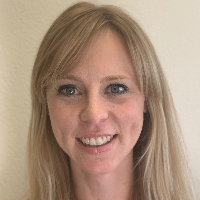
About Amy
Her style is straightforward and warm. She helps people notice unhelpful thinking patterns and try different ways of responding. Sessions are conversational and aim to build practical skills, such as managing strong emotions, improving sleep, or changing routines that feed anxiety or addiction.
Amy uses several therapeutic approaches depending on what someone needs. She works with Acceptance and Commitment Therapy to help people connect with values and take meaningful actions. She uses Cognitive Behavioral Therapy to challenge patterns of thinking and Dialectical Behavior Therapy skills for emotion regulation. Eye Movement Desensitization and Reprocessing may be part of trauma-focused work when appropriate.
Her early work with military clients informs her calm, grounded approach to trauma and grief. She also supports people facing parenting stress, relationship strain, career shifts, and identity concerns. Amy aims to help people gain a more realistic and present view of themselves and their lives.
She holds the credential WY Psychologist 607 and practices in Wyoming. If you want a clinician who focuses on thoughts and everyday habits, Amy offers a practical, collaborative approach to change.
Areas of expertise
Primary focus
Also works with
Additional focus areas
Therapeutic approaches
Experience
10+ years
Credentials
Wyoming
Languages
English
Approaches that guide online work
Amy draws on Acceptance and Commitment Therapy to help people notice what matters to them and take action in line with those values. ACT focuses on accepting difficult thoughts while committing to small, meaningful steps that improve daily life.She also uses Cognitive Behavioral Therapy to identify and shift patterns of thinking that keep stress and depression going. CBT involves practical exercises and homework to test new ways of thinking and behaving. For people who need emotion regulation skills, she brings in Dialectical Behavior Therapy techniques to teach coping tools and distress-tolerance strategies.
Finding the right approach is part of the work. Amy will talk with each person about their goals and preferences and then try methods that fit those needs. That collaboration helps shape session focus and skill practice over time.
Please confirm which session formats she currently offers before booking so you know how sessions will be delivered. Online therapy can make it easier to fit sessions into busy days, reduce travel time, and allow shorter check-ins when schedules are tight. It can also let people use visual tools or worksheets during a session to practice skills in the moment.
Frequently asked questions
What concerns does Amy commonly help with?
Amy supports people with stress, anxiety, trauma and abuse, depression, addiction, sleep problems, and grief. She also addresses relationship strain, parenting stress, ADHD, bipolar and other mood concerns.
What is her therapeutic style like?
Her style is conversational and practical. She focuses on thoughts and everyday habits and teaches skills to manage emotions and change patterns.
How much clinical experience does she have?
She has ten years of clinical experience, including early work treating soldiers in the military that shaped her approach to trauma and grief.
What credentials and location apply?
She holds the credential WY Psychologist 607 and practices in Wyoming.
Which languages are offered and can international clients join?
Sessions are offered in English. International clients are not currently accepted.
What session formats are available?
Confirm current session options before booking so you know which formats are offered for your situation.
How does payment and cost work?
Cost varies with location and therapist availability; sessions use a subscription model that can be canceled at any time.
How do I get started with therapy?
Select the Start Therapy button, complete a short matching questionnaire, and schedule according to therapist availability.