- Practical habit changes
- Thought-focused work
- Wellness oriented
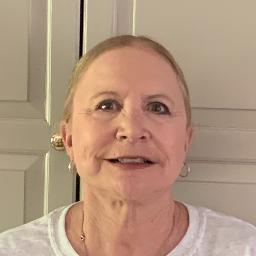
About Alice
Her approach combines evidence-based methods with attention to overall balance. She uses cognitive behavioral techniques to address unhelpful thinking and client-centered work to follow each person’s pace. Acceptance and Commitment Therapy ideas help people clarify values and take meaningful steps even when feelings are difficult.
Alice has experience with a wide range of concerns. She helps people cope with stress, anxiety, depression, addictions, grief, trauma, relationship and intimacy-related issues, parenting strains, sleep and eating problems, anger, career shifts, and ADHD. She also supports those facing family-of-origin struggles, codependency, infidelity, and end-of-life concerns.
Sessions emphasize practical skills and real-life habits. Expect clear, focused conversations about what’s getting in the way day to day, followed by concrete strategies to try between meetings. The goal is steadier routines and better ways of responding to thoughts and emotions.
She practices in Arizona and works with English-speaking clients, including international clients when appropriate. Licensing is IA LMHC and AZ LPC, and she blends clinical experience with an emphasis on wellness and long-term balance.
Areas of expertise
Primary focus
Also works with
Additional focus areas
Therapeutic approaches
Experience
10+ years
Credentials
Iowa, Arizona
Languages
English
Approaches that target thoughts and everyday habits
Alice uses several practical methods to help people change how they relate to thoughts and routines. Cognitive Behavioral Therapy, or CBT, focuses on identifying and changing unhelpful thought patterns and behaviors to reduce symptoms like anxiety and low mood. Acceptance and Commitment Therapy, known as ACT, teaches people to notice difficult feelings without getting stuck and to act on values that matter to them. Attachment-Based Therapy looks at how early relationship patterns affect current connections and emotional responses, which can be useful for intimacy and family-of-origin concerns.Choosing the right approach is a collaborative process. The therapist will discuss what matters most to the client, try out techniques, and adjust methods based on how well they fit the person’s goals and daily life. Clients are invited to give feedback and shape the work together.
Practical benefits of online therapy can include easier scheduling and fitting sessions into busy days, shorter check-ins when needed, and the ability to work from locations that reduce travel time. The biography does not list specific session formats, so confirm available options before booking to learn about how sessions are delivered. Licensed professionals typically aim to make therapy fit everyday routines while focusing on real-world habit change and thought work.
Frequently asked questions
What concerns does Alice commonly address?
She works with stress, anxiety, depression, addictions, grief, trauma, intimacy and relationship issues, sleep and eating problems, parenting stress, ADHD, and related concerns.
What is her general therapy style?
Her style is practical and collaborative, focusing on thoughts and everyday habits and using evidence-informed techniques to build routines and coping skills.
What kind of clinical background does she have?
Alice has ten years of experience that include hospital substance abuse counseling, K-8 school counseling, and teaching college psychology courses.
Where is she licensed and located?
She is licensed as IA LMHC and AZ LPC and practices in Arizona.
Which languages are supported for sessions?
Sessions are offered in English, and she can work with international clients as appropriate.
What session formats are available?
Session formats are not listed in the biography; please confirm current session options before booking.
How is pricing handled?
Cost varies by location and therapist availability, and sessions use a subscription that can be canceled at any time.
How do I begin working with her?
Use the Start Therapy button, complete a short matching questionnaire, and schedule based on therapist availability.