- Thoughts and habits
- Practical coping skills
- English and Korean
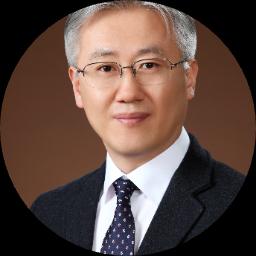
About Sung
He uses a mix of approaches to address thoughts and everyday habits that keep people stuck. That work can include learning new ways to respond to stress, practicing skills for managing strong emotions, and paying attention to attachment patterns that show up in relationships. He keeps language straightforward and practical so clients can try new strategies between sessions.
Dr. Kim pays attention to cultural background and life story when shaping therapy. He often helps people make sense of abandonment, adoption and foster care history, and transitions across the lifespan. He also supports people coping with chronic illness, caregiving stress, body image concerns, and co-occurring mental health challenges.
Therapy may involve examining patterns from early relationships, practicing cognitive and behavioral exercises, and building acceptance-based skills to live by chosen values. He works in English and Korean and offers an approach that blends insight with hands-on tools.
Clients typically leave sessions with clear next steps and practical tools to use day to day. To begin, prospective clients complete a short matching questionnaire and schedule according to the therapist's availability.
Areas of expertise
Primary focus
Additional focus areas
Therapeutic approaches
Experience
30+ years
Credentials
New York
Languages
English, Korean
How therapeutic approaches translate to online work
Acceptance and Commitment Therapy (ACT) focuses on noticing thoughts and choosing actions that match personal values. It can help with anxiety, depression, and getting unstuck from unhelpful thought habits. Cognitive Behavioral Therapy (CBT) targets the link between thoughts, feelings, and behaviors by teaching practical exercises and experiments to change daily habits. This is often useful for stress, worry, and mood shifts. Attachment-Based Therapy looks at early relationship patterns and how they show up now, helping people improve how they relate and feel connected.Finding the right approach is part of the work. The therapist will discuss goals, preferences, and what feels most helpful, then tailor methods collaboratively rather than imposing a single technique. Clients often combine insight and skills practice to make changes that last.
The biography does not list specific session formats, so confirm current options before booking. Online therapy can make it easier to fit appointments into a busy day, shorten routine check-ins when needed, and allow sessions without travel. It also supports continuing work through tough transitions and applying new habits in everyday settings.
Frequently asked questions
What kinds of concerns does Dr. Kim address?
He works with stress, anxiety, depression, grief, trauma and relationship difficulties, as well as related areas like attachment issues, caregiving stress, and body image.
How would you describe his therapeutic style?
His style blends insight-oriented conversation with practical exercises from cognitive and acceptance-based approaches to change thoughts and everyday habits.
What background does he bring to sessions?
He has 30 years of clinical experience working with diverse life challenges and focuses on combining coping skills with deeper exploration of personal history.
What credential does he hold and where is he located?
He is listed as NY Psychoanalyst 000245 and practices in New York.
Which languages are supported in therapy?
Sessions are offered in English and Korean, and he also accepts international clients.
What session formats are available?
The original biography does not specify session formats; please confirm current session options before booking.
How does payment and cost work?
Cost varies with location and the therapist's availability; sessions use a subscription that can be canceled at any time.
How do I begin working with him?
Use the Start Therapy button, complete a short matching questionnaire, and schedule sessions according to the therapist's availability.