- Focus on thoughts and habits
- Strengths-based support
- Practical steps for change
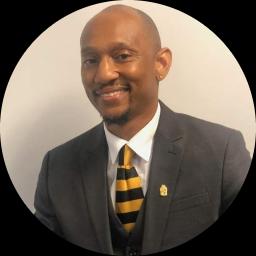
About Robert
He offers straightforward, goal-focused conversations. He listens for patterns in thoughts and everyday habits that keep problems going. Then he works with people to try small, doable changes that can reduce anxiety and improve day-to-day functioning.
His background includes two decades of clinical work across settings in the region. That experience informs how he helps people with issues like abandonment, family of origin concerns, fatherhood questions, and forgiveness. He also supports people facing fertility stress, blended family challenges, and problems related to drug or alcohol addiction.
Sessions tend to be practical and collaborative. He helps people name specific problems, set short-term goals, and test new ways of responding. The approach emphasizes clear steps rather than long lectures, which can make progress easier to see.
Robert works from North Carolina and communicates in English. He does not accept international clients. To begin, prospective clients use the Start Therapy button and complete a short matching questionnaire before scheduling.
Areas of expertise
Primary focus
Additional focus areas
Experience
20+ years
Credentials
North Carolina, South Carolina
Languages
English
How therapeutic techniques shape online care
Robert describes his approach as evidence-based techniques that focus on thoughts and everyday habits. One common technique looks at how repetitive negative thoughts keep anxiety and depression going and introduces simple changes in thinking and routine to reduce distress. This approach can help with stress, relationship tension, and mood struggles by making daily patterns easier to manage.Another approach emphasizes behavioral changes and small experiments. It helps people test new ways of responding to triggers, practice different habits, and notice what actually works day to day. That method is useful for addictions, control issues, and problems that stem from family patterns.
Finding the right mix of approaches is part of the work together. The therapist will collaborate with each person to decide which techniques match their goals, needs, and preferences, and will adjust the plan as progress is made.
The original profile does not list specific online session formats, so confirm available options before booking. Online work can make it easier to fit sessions into busy schedules, reduce travel time, and allow for brief check-ins when life is hectic. Therapists and licensed professionals often tailor session length and pacing so therapy can fit into everyday routines without overwhelming them.
Frequently asked questions
What kinds of concerns does he help address?
He works with stress, anxiety, addictions, relationship strain, family conflict, and depression, along with related issues such as abandonment, family of origin concerns, and fatherhood issues.
What is his general approach in sessions?
He takes a practical, collaborative approach that looks at thoughts and everyday habits. Sessions focus on naming problems, setting short-term goals, and trying small changes to improve daily life.
What experience does he bring?
He has 20 years of professional work experience, including clinical roles that inform his work with family issues, addictions, and mood concerns.
What credentials and location are listed?
He holds LPC and LCMHC credentials and practices out of North Carolina. The LPC stands for Licensed Professional Counselor and LCMHC for Licensed Clinical Mental Health Counselor.
Which languages are supported?
Sessions are offered in English.
What session formats are available?
The original biography does not specify session formats; please confirm current session options before booking.
How is payment handled?
Cost varies with location and therapist availability, and sessions use a subscription that can be canceled at any time.
How do I get started?
Use the Start Therapy button, complete a short matching questionnaire, and then schedule according to the therapist's availability.