- Thoughts and habits
- Practical coping skills
- Six years experience
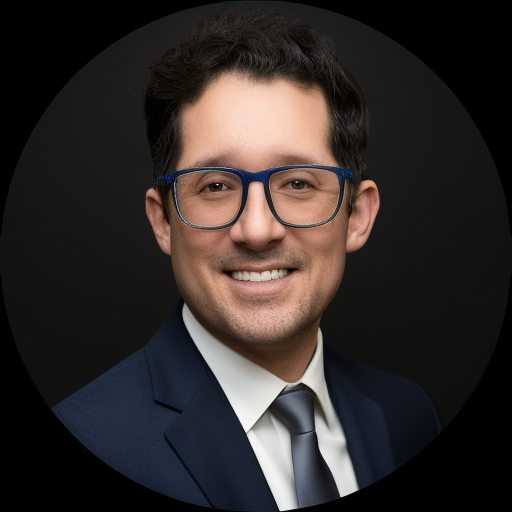
About Robert
He uses evidence-based therapeutic techniques to help people notice unhelpful thinking and shift daily patterns. Sessions are practical and conversational. He works to make coping skills usable in real life rather than abstract ideas.
Robert draws on six years of clinical experience supporting people through grief, life transitions, workplace stress, and identity questions. He pays attention to how past experiences like abandonment or adoption can shape current reactions. He also works with concerns linked to chronic illness, caregiving stress, and body image.
The room is a place to map what’s happening now, try small changes, and track what helps. He emphasizes building routines and thought habits that reduce overwhelm and improve day-to-day functioning. Progress is paced to each person’s goals.
Sessions are conducted in English and follow a practical, problem-solving style. To begin, a short matching questionnaire and scheduling step is used so people can find a session cadence that fits their life.
Areas of expertise
Primary focus
Additional focus areas
Experience
6+ years
Credentials
Florida
Languages
English
How evidence-based techniques translate to online care
Robert uses evidence-based therapeutic techniques that focus on changing thoughts and everyday habits. Cognitive approaches help people spot unhelpful thinking, test new ways of looking at problems, and practice different responses to stress and anxiety. Behavioral strategies emphasize small, repeatable actions - like brief routines or activity changes - to reduce symptoms of depression and improve daily energy and functioning.Finding the right approach is a collaborative process. The therapist will discuss goals, try techniques, and adjust methods based on what works for each person. Clients and the therapist decide together which tools to emphasize as progress unfolds.
Session formats are not specified in the biography, so confirm current session options before booking. Online therapy can make it easier to fit sessions into a busy schedule, reduce travel time, and allow for shorter check-ins when needed. It also makes it simpler to practice skills in the contexts where challenges happen, and to build consistency with appointments that better match everyday life.
Frequently asked questions
What concerns does Robert commonly address?
He focuses on stress, anxiety, grief, anger, depression, and ADHD. He also works with related issues such as abandonment, adoption and foster care, caregiver stress, chronic illness, and body image.
What is his general therapy style?
He uses practical, evidence-based techniques to change unhelpful thoughts and daily habits. Sessions are conversational and aimed at skills you can use between meetings.
How much clinical experience does he have?
He has six years of experience working with people facing grief, workplace stress, life transitions, and identity concerns. That experience informs a practical, goal-focused approach.
What credentials and region are listed?
He is a licensed mental health counselor, LMHC, practicing in Florida. The LMHC credential is shown as listed in his profile.
Which languages are supported for sessions?
Sessions are offered in English.
Does he work with international clients?
International clients are not currently accepted.
How does billing and cost work?
Cost varies with location and therapist availability, and sessions use a subscription that can be canceled at any time. Exact pricing depends on the chosen plan.
How do I get started with therapy?
Click the Start Therapy button, complete a short matching questionnaire, and schedule according to therapist availability. That process helps match goals and pick a suitable time.