- Thoughts and everyday habits
- Respectful and practical
- Illinois LCPC
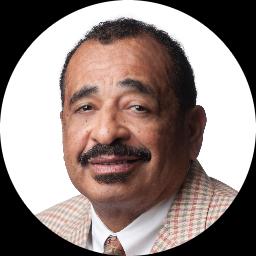
About Phillip
He uses clear, practical methods in sessions. Phillip draws on Cognitive Behavioral Therapy to look at thoughts and everyday habits that keep problems going. He also uses Acceptance and Commitment Therapy to help people notice what matters most and take steps toward those values.
Phillip focuses on real-life concerns such as family conflicts, communication problems, caregiver stress, and the effects of trauma and abuse. He also works with issues related to aging, impulsivity, eating and food-related struggles, and the challenges first responders often face. Sessions are shaped around the specific issues a person brings in.
Phillip describes his approach as respectful and compassionate. He tailors conversations and plans so they fit each person's situation and goals. That might mean practicing new habits, testing different ways of thinking, or building small routines that make daily life easier.
He encourages people to notice small changes and use them as a foundation for bigger steps. The first session is often about getting a clear picture of what matters to the person and what one or two manageable goals could look like. From there, the work moves at a steady, practical pace.
Areas of expertise
Primary focus
Also works with
Additional focus areas
Therapeutic approaches
Experience
24+ years
Credentials
Illinois
Languages
English
How ACT and CBT Shape Online Care
Acceptance and Commitment Therapy helps people notice thoughts and feelings without getting stuck in them, then choose actions that match their values. It can be useful when worry, grief, or avoidance get in the way of everyday life. Cognitive Behavioral Therapy looks at the links between thoughts, feelings, and behaviors, and uses practical exercises to change unhelpful habits. This approach is often used for anxiety, mood, sleep, and stress-related problems.Choosing the right approach is a collaborative process. The therapist will talk with the person about goals, daily routines, and what has or hasn't worked before. Together they decide whether ACT, CBT, or a mix of both fits best and then try concrete steps that can be adjusted over time.
Session formats are not listed in the biography, so confirm current options before booking. Many people find online sessions help fit therapy into a busy life, make check-ins easier during a workday, and reduce travel time. Some people prefer shorter check-ins when schedules are tight, while others use longer sessions to practice skills and routines. The focus is on finding practical ways therapy fits into daily life, not on promising a specific delivery method.
Frequently asked questions
What concerns does Phillip commonly address?
He helps people with stress, anxiety, grief, depression, sleeping problems, relationship and family issues, addictions, and trauma and abuse, along with related concerns such as caregiver stress and communication problems.
What is his therapeutic style like?
He uses straightforward, practical conversations and tailors plans to each person. Sessions often include testing new habits and working on thoughts that affect daily life.
How much experience does he have?
He has 24 years of professional work experience as a licensed clinician in Illinois.
What credentials and region are listed?
He is listed as LCPC and practices in Illinois.
Which languages are supported and can he work internationally?
Sessions are offered in English and he accepts international clients.
What session formats are available?
Please confirm current session options before booking as formats are not specified in the biography.
How does pricing work?
Cost varies with location and therapist availability; sessions use a subscription that can be canceled at any time.
How do I begin if I want to work with him?
Select the Start Therapy button, complete a short matching questionnaire, and schedule according to the therapist's availability.