- Practical daily strategies
- Trauma and grief support
- Focus on thinking patterns
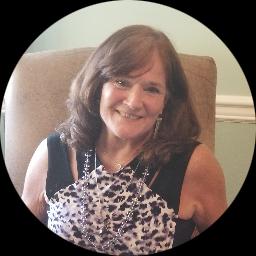
About Pennie
Brooks draws on a mix of approaches to match each person’s needs. She uses techniques from Acceptance and Commitment Therapy and Cognitive Behavioral Therapy to address unhelpful thinking and patterns. Client-Centered Therapy shapes sessions so the conversation follows the client’s pace and priorities.
Her background includes work in hospitals, rehabilitation centers, hospice care, programs for at-risk youth, group practices, and long-term private practice in Florida. That range informs how she supports people facing chronic illness, brain and spinal cord injury, caregiving stress, and recovery after abuse.
Pennie has experience helping people with attachment and abandonment concerns, blended family dynamics, body image, codependency, communication and commitment issues, dissociation, and aging-related worries. She also supports those coping with cancer and chronic pain through focused, adaptable strategies.
Sessions focus on building resilience and useful daily habits. Brooks emphasizes small, measurable steps - skills clients can practice between meetings to change thoughts and behaviors over time. She aims to help people feel more capable and clear about next steps.
Areas of expertise
Primary focus
Additional focus areas
Therapeutic approaches
Experience
42+ years
Credentials
Florida
Languages
English
How her approaches translate to online support
Pennie uses Acceptance and Commitment Therapy (ACT) to help people notice unhelpful thoughts and choose actions that match their values. ACT can help when anxiety, avoidance, or low motivation get in the way of daily life. She also uses Cognitive Behavioral Therapy (CBT) to identify and change thinking patterns that feed stress and anger. CBT offers step-by-step tools for reframing thoughts and testing new behaviors.Finding the right approach is part of therapy. She works collaboratively to decide which methods fit a person’s goals and comfort level. That means checking in together, trying techniques, and adjusting the plan as needed rather than committing to a single method from the start.
If you are considering online sessions, confirm current session options before booking since formats are not listed in the biography. Online work can make it easier to fit therapy into a busy day, shorten travel time, and allow shorter check-ins when schedules are tight. Some methods, like CBT exercises or ACT values work, adapt well to remote sessions and homework between meetings, while other tools are chosen based on what a client needs and prefers.
Frequently asked questions
What concerns does Pennie commonly address?
She works with stress, anxiety, relationship issues, trauma and abuse, grief, and anger. She also focuses on problems like abandonment, attachment issues, chronic pain, and caregiver stress.
What is her therapeutic style like?
Her approach is compassionate, collaborative, and skills-based. Sessions emphasize practical tools and habit changes clients can use between meetings.
How much experience does she have?
Pennie has 42 years of experience in the mental health field, including work in hospitals, rehab centers, hospice, youth programs, group practices, and private practice.
What credentials and location are on record?
She is a Licensed Mental Health Counselor - FL LMHC - practicing in Florida.
Which languages are supported and are international clients accepted?
Sessions are offered in English. International clients are not currently accepted.
What session formats are available?
Please confirm current session options before booking, as the biography does not list specific formats.
How is cost handled for sessions?
Cost varies with location and therapist availability, and sessions use a subscription that can be canceled at any time.
How do I begin working with her?
Select the Start Therapy button, complete a short matching questionnaire, and schedule according to therapist availability.