- Practical habit work
- Stress and anxiety
- Addiction support
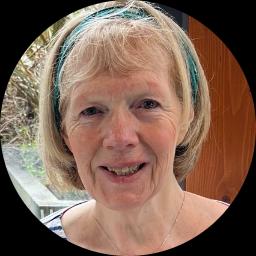
About Michelle
Her approach is collaborative and straightforward. She focuses on practical steps people can take day to day to change unhelpful thinking and routine patterns. Sessions emphasise clear goals, small habit changes, and learning ways to cope with strong feelings and cravings.
Michelle has worked with a range of concerns including mood disorders, obsessive-compulsive patterns, post-traumatic stress, and issues linked to substance misuse. She also supports people dealing with ageing and geriatric issues, attachment difficulties, experiences of prejudice and discrimination, and challenges around sexuality and self-worth.
People who are deaf or hard of hearing have been noted among her focus areas, and she also has experience with veteran and armed forces issues. She speaks English and is able to work with international clients through the platform.
Michelle asks clients to see themselves as experts in their own story while she offers structure and guidance. She aims to make early sessions feel manageable, helping people set realistic steps and build on small successes.
Areas of expertise
Additional focus areas
Experience
3+ years
Credentials
BACP · United Kingdom
Languages
English
Approaches that change thoughts and habits
Michelle uses evidence-based therapeutic techniques that focus on thoughts and everyday habits to help people cope better day to day. One common approach she uses helps people identify and challenge unhelpful thinking patterns, then practice alternative thoughts in real situations to reduce anxiety and low mood. Another approach concentrates on small, repeatable habit changes that build steadier routines and reduce the impact of cravings or compulsive behaviours.Finding the right approach is part of the process and Michelle treats it as a collaboration. She will work with each person to agree goals and try methods that fit their needs and preferences, adjusting the plan as progress is made or new challenges appear.
Practical benefits of online therapy include greater flexibility to fit sessions into a busy day and the chance to maintain continuity when travel is difficult. The profile does not list specific session formats, so please confirm current options before booking. Many people find online sessions make it easier to check in between commitments, reduce travel time, and allow for steady follow-up on daily habit work.
Frequently asked questions
What concerns does Michelle commonly help with?
She works with stress, anxiety, addictions, trauma and abuse, depression, and coping with life changes, along with related issues such as mood disorders and OCD.
What is her therapeutic style?
Her style is collaborative and practical, focusing on changing everyday habits and unhelpful thoughts to improve how people feel and function.
How much experience does she have?
She has three years of professional experience working with a variety of mental health and addiction concerns in the United Kingdom.
What credentials and location are listed?
She is listed with BACP and practises from the United Kingdom.
Which languages are supported and can she work internationally?
Sessions are offered in English and she accepts international clients through the platform.
What session formats are available?
The original profile does not specify session formats, so please confirm current options before booking.
How are fees handled?
Cost varies with location and therapist availability, and sessions use a subscription that can be cancelled at any time.
How do I begin working with her?
Use the Start Therapy button, complete a short matching questionnaire, and schedule according to therapist availability.