- Person-centered care
- CBT and DBT tools
- Focus on routines
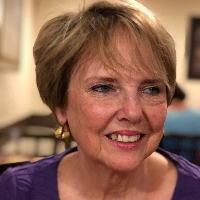
About Mary
She holds a Master of Arts in Counseling from the Houston Graduate School of Theology and completed a Ph.D. at Texas A&M Corpus Christi. Over the years she has worked with survivors of childhood abuse and people coping with depression, dissociation, OCD, grief, and trauma-related concerns. That experience informs how she listens and plans treatment.
In sessions she emphasizes a person-centered stance. That means the conversation follows the client's needs and priorities. She also uses cognitive behavioral tools to help change unhelpful thoughts and behaviors, and dialectical behavior ideas to teach emotional and coping skills.
Her approach is practical and straightforward. Expect work on daily habits, thoughts, and skills that make everyday life easier. She frames counseling as a joint effort where small changes add up over time.
Dr. Walker supports people dealing with family of origin issues, abandonment, caregiving stress, chronic illness, and other long-term struggles. She encourages steady, manageable steps toward clearer goals and more reliable routines.
Areas of expertise
Primary focus
Also works with
Additional focus areas
Therapeutic approaches
Experience
10+ years
Credentials
Texas
Languages
English
How her approaches fit into online therapy
Client-Centered Therapy centers the conversation on the person's needs and goals. In practice this means the therapist listens closely, asks questions to clarify what matters most, and follows the client's lead to set priorities. Cognitive Behavioral Therapy, or CBT, focuses on spotting unhelpful thoughts and changing everyday habits that keep problems going; it often includes concrete exercises and practice between sessions. Dialectical Behavior Therapy, or DBT, teaches specific skills for managing strong emotions, improving distress tolerance, and building more effective relationships.Finding the right mix of approaches is part of the work. The therapist will collaborate with each person to decide which methods match their needs, goals, and preferences. That decision can change over time as goals shift or progress is made.
The biography does not list specific session formats, so please confirm available online options before booking. In general, online work can make it easier to fit therapy into a busy life - for example by removing travel time, allowing shorter check-ins when schedules are tight, or letting people participate from locations with quieter surroundings. Licensed professionals can use online sessions to teach skills, review homework, and practice coping strategies just as they would in person.
Frequently asked questions
What concerns does this therapist help with?
She supports people with eating and sleeping issues, addictions, grief, bipolar mood concerns, ADHD, career stress, LGBT-related concerns, and related struggles listed in her specialties.
How would you describe her therapy style?
The approach is person-centered and practical, with attention to daily habits and thought patterns. She blends conversational listening with skills practice.
What kind of clinical background does she have?
She has ten years of experience, a Master of Arts in Counseling from Houston Graduate School of Theology, and a Ph.D. from Texas A&M Corpus Christi.
What credential does she hold and where is she located?
She is a Licensed Professional Counselor (LPC) licensed in Texas and provides services based in that state.
Can someone who lives outside the United States work with her?
She accepts international clients and conducts sessions in English.
What session formats are available?
The original biography does not specify session formats; please confirm current session options before booking.
How are sessions priced?
Cost varies with location and therapist availability, and sessions use a subscription that can be canceled at any time.
How do I begin working with her?
Use the Start Therapy button, complete a short matching questionnaire, and schedule according to the therapist's availability.