- Thoughts and habits
- Practical coping tools
- Collaborative approach
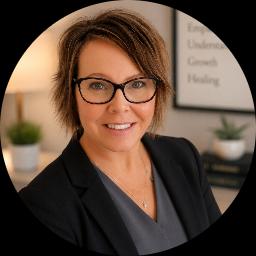
About Leslie
She focuses on thoughts and everyday habits to help people notice patterns that keep struggles going. Sessions are collaborative - she listens, asks clear questions, and helps build small, actionable steps. That might mean trying new ways to cope with panic, finding steadier routines, or practicing short mindfulness exercises.
Leslie draws on several approaches to fit what each person needs. She uses Acceptance and Commitment Therapy, cognitive behavioral ideas, client-centered listening, and solution-focused techniques to keep work goal-oriented and relevant. These methods guide how she helps people shift unhelpful thinking and build healthier habits.
Over eight years of work have shaped a calm, steady style. She pays attention to how life stress, relationships, and past hurts affect daily thinking and behavior. The goal is clearer thinking, less reactivity, and more confidence putting changes into practice.
People who come to her often want practical ways to move forward after loss, manage mood changes, or address painful memories. Her sessions aim to be understandable and doable, with concrete tools to use between meetings.
Areas of expertise
Primary focus
Additional focus areas
Therapeutic approaches
Experience
8+ years
Credentials
North Carolina
Languages
English
How therapy approaches translate to online work
Acceptance and Commitment Therapy (ACT) helps people notice difficult thoughts and choose actions that match their values rather than getting stuck in unhelpful thinking. It is often useful for anxiety, depression, and ongoing stress. Cognitive Behavioral Therapy (CBT) focuses on spotting and changing thought and behavior patterns that keep problems going, which can help with panic, low mood, and mood swings. Client-Centered Therapy emphasizes being heard and understood; sessions focus on the person’s priorities and move at a comfortable pace.Finding the right approach is part of the work together. The therapist will talk with each person about goals, daily struggles, and preferences, then try methods that fit. That collaborative process can include mixing techniques so the plan matches what actually helps in your life.
The biography does not list specific online formats, so confirm available session types before booking. Online therapy can make it easier to fit sessions into a busy schedule, reduce travel time, allow shorter check-ins when useful, and let people use strategies with support between appointments. Licensed professionals can adapt ACT, CBT, and client-centered work to an online setting to keep sessions focused and practical.
Frequently asked questions
What concerns does she help with?
She supports people dealing with stress, anxiety, depression, bipolar symptoms, trauma and grief, plus related issues like abandonment, attachment concerns, body image, and chronic illness.
What is her therapeutic style like?
Her style is collaborative and down-to-earth. She listens closely, helps you name patterns, and focuses on practical steps you can try between sessions.
How much experience does she have?
She has eight years of clinical experience working with a range of emotional and life challenges.
What credentials and location are listed?
Leslie holds an LCMHC credential and practices in North Carolina.
Which languages and international options are available?
Sessions are offered in English. International clients are not currently accepted.
What session formats are offered?
The original biography does not specify session formats. Please confirm current session options before booking.
How does cost and billing work?
Cost varies with location and therapist availability, and sessions use a subscription that can be canceled at any time.
How do I begin working with her?
Use the Start Therapy button, complete a short matching questionnaire, and schedule according to therapist availability.