- Thoughts and everyday habits
- Affirming care for LGBT people
- Practical coping strategies
About Hope
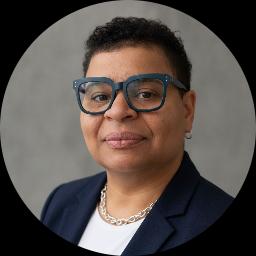
Hope helps people dealing with stress, anxiety, depression, grief, and ADHD. They also support LGBT clients around identity exploration and healing, and help people with relationship communication, isolation, and life transitions such as divorce or midlife changes. Hope’s work includes attention to mood disorders, OCD patterns, chronic illness and pain, and control or impulsivity concerns.
The practice is grounded in culturally responsive care and a trauma-informed outlook. Sessions aim to be collaborative and paced to each person’s needs. Hope focuses on practical strategies to shift thinking and daily habits so small changes build over time.
Hope brings experience working with adults across the lifespan, including older adults facing aging or geriatric issues. They offer straightforward support for finding purpose, navigating forgiveness, and improving communication. The tone is respectful and affirming.
People who come to Hope can expect goal-focused conversations, steps to manage symptoms day-to-day, and attention to identity and lived experience. To begin, readers are asked to use the site’s Start Therapy flow to match and schedule based on availability.
Areas of expertise
Primary focus
Additional focus areas
Experience
16+ years
Credentials
Ohio
Languages
English
Practical approaches for changing thoughts and habits
Hope draws on evidence-based therapeutic techniques that focus on thoughts and everyday habits to create change. One common approach helps people notice unhelpful thought patterns and practice new, more balanced ways of thinking that reduce anxiety and low mood. Another approach emphasizes small, repeatable habits and behavioral experiments to break cycles of avoidance, improve routines, and build momentum toward goals.Finding the right mix of methods is part of the work. The therapist will collaborate with each person to choose approaches that match their needs, goals, and preferences. This means trying things, checking what helps, and adjusting the plan together over time.
Confirm current session options before booking so you know what formats Hope offers. Online therapy can make it easier to fit sessions into a busy life, for example by removing commute time, allowing a shorter check-in during a work break, or letting someone join without needing to be on camera. Many people find remote sessions help maintain continuity of care while juggling daily responsibilities, and the therapist will discuss practical arrangements that suit each person.
Frequently asked questions
What kinds of concerns does Hope address?
Hope works with stress, anxiety, depression, grief, ADHD, and related concerns such as isolation, communication problems, and life transitions.
What is Hope's therapeutic style?
Hope uses a person-centered, trauma-informed approach that focuses on thoughts and everyday habits and on practical steps you can try between sessions.
How much experience does Hope have?
Hope has 16 years of experience supporting people through mood disorders, OCD, chronic pain, identity exploration, and other concerns.
Where is Hope licensed and located?
Hope is an LPCC licensed in Ohio and practices from that state.
Which languages are available for sessions?
Sessions are offered in English.
Can people from other countries work with Hope?
International clients are not currently accepted.
How are session costs handled?
Cost varies with location and therapist availability; sessions use a subscription that can be canceled at any time.
How do I begin working with Hope?
Click the Start Therapy button, complete the short matching questionnaire, and schedule a session according to therapist availability.