- Thought patterns
- Everyday habits
- Practical steps
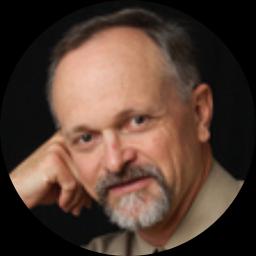
About Erik
Erik focuses on practical steps that fit into a person’s life. He encourages clear, direct conversation about what is getting in the way day to day. That might mean noticing thought patterns, tracking routines, or trying small changes to improve concentration and mood.
Across his career he has supported people processing trauma and abuse, coping with loss, and managing chronic health or caregiving demands. He also has experience with issues related to adoption and foster care, aging, autism spectrum concerns, personality challenges, and disruptive mood symptoms.
Erik holds the credential CA Psychologist 21367, which reflects his California license to practice as a psychologist. He draws on evidence-based therapeutic techniques to address problems people bring to sessions and to help them develop clearer habits of thinking and behaving.
He offers care in English and practices from California. To begin, people are invited to use the site Start Therapy button, complete a short matching questionnaire, and schedule sessions according to availability.
Areas of expertise
Primary focus
Additional focus areas
Experience
40+ years
Credentials
California
Languages
English
How evidence-based techniques translate to online work
Erik uses evidence-based therapeutic techniques that focus on thoughts and everyday habits. One common approach looks at unhelpful thinking patterns and teaches ways to notice and shift those thoughts so they cause less distress. This can help with anxiety, depression, and concentration problems. Another approach centers on changing daily routines and small behaviors to build steadier mood and attention; it emphasizes doable tasks between sessions to reinforce progress.Finding the right approach is a collaborative process. The therapist will listen to a person’s goals, try different methods, and adjust based on what feels most useful. Clients are invited to talk about their preferences so the plan fits their needs and daily life.
The biography does not specify which session formats are offered, so please confirm current options before booking. In general, online work can make scheduling easier and reduce commute time, and it can allow shorter check-ins when those are useful. It can also make it simpler to maintain regular contact while juggling work, caregiving, or medical appointments. Licensed professionals can adapt techniques to suit remote sessions so progress remains practical and focused.
Frequently asked questions
What concerns does Erik commonly help with?
He works with stress, anxiety, trauma and abuse, grief, depression, and attention difficulties such as ADHD. He also has experience with many related issues like chronic illness, caregiving stress, and adoption or foster care matters.
What is his general approach in sessions?
He uses straightforward, evidence-based techniques to look at thoughts and everyday habits. Sessions focus on practical steps people can try between visits to change patterns that maintain distress.
How much experience does he have?
He brings 40 years of professional work in clinical practice. That background includes supporting people through trauma, grief, concentration problems, and long-term caregiving challenges.
What credential does he hold and where does he practice?
He is listed as CA Psychologist 21367 and practices in California.
Which languages are used in sessions?
Sessions are offered in English.
Can people outside the U.S. work with him?
International clients are not currently accepted.
How are session formats handled?
The original biography does not specify session formats, so please confirm current session options before booking.
How does billing and starting therapy work?
Cost varies by location and availability and sessions use a subscription that can be canceled at any time. To begin, select the Start Therapy button, complete the short matching questionnaire, and schedule according to availability.