- Thoughts and everyday habits
- Practical coping skills
- Client-centered approach
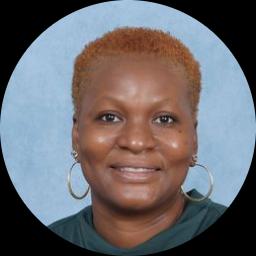
About Carline
Clients can expect a warm, respectful approach that centers their values and goals. She listens for what matters most and helps people name patterns in their thoughts and habits. Sessions aim to build clearer communication, more reliable coping skills, and a steadier sense of purpose.
Carline uses Client-Centered Therapy to create a nonjudgmental space where people lead the pace and topics of work. She also uses Cognitive Behavioral Therapy to help people notice unhelpful thinking and try practical changes. These approaches are used to address mood concerns, attachment difficulties, body image issues, substance use, chronic pain and illness, and related challenges.
Her background includes ongoing work with mood disorders, attachment issues, and substance-related concerns. She brings attention to cultural context and aims to make therapy relevant to each person’s life. The focus is on building real skills that translate to everyday situations.
People wanting to start are guided through a straightforward intake and matching process. Prospective clients complete a short questionnaire and then schedule sessions based on the therapist’s availability.
Areas of expertise
Primary focus
Additional focus areas
Therapeutic approaches
Experience
8+ years
Credentials
New York
Languages
English
Practical approaches to thoughts and everyday habits
Client-Centered Therapy puts the person’s experience first. The therapist follows your lead, reflects what matters to you, and helps create a space where people can talk without judgment. This approach helps when someone needs to rebuild self-trust, clarify values, or work through relationship and attachment concerns.Cognitive Behavioral Therapy (CBT) focuses on the links between thoughts, feelings, and actions. It uses simple exercises to spot unhelpful thinking and try small behavioral changes. CBT can be useful for anxiety, depression, and patterns that interfere with daily routines and habits.
Finding the right mix of approaches is part of the work. The therapist will discuss goals, try methods that fit your preferences, and adjust the plan as needed. That collaborative process helps match techniques to what you want to change and what feels workable for you.
Confirm current session options before booking so you know which formats are available. Online therapy can make it easier to fit appointments into a busy life, cut down travel time, or choose shorter check-ins when needed. Many people find remote sessions helpful for keeping momentum between in-person commitments and for building skills directly into everyday routines.
Frequently asked questions
What concerns does Carline address?
She helps people coping with stress, anxiety, depression, bipolar mood concerns, grief, and trauma and abuse. Additional focuses include attachment issues, body image, substance use, chronic pain, and related struggles.
How would sessions feel in terms of style?
The style is collaborative and supportive, with attention to the client's values and goals. Expect a listening-first approach followed by practical steps you can use between sessions.
What is her professional background?
She has eight years of clinical experience working with mood disorders, attachment challenges, chronic pain, and substance-related concerns.
Where is this therapist licensed and located?
Carline holds an LMHC credential and practices in New York.
Which languages are supported for sessions?
Sessions are offered in English.
Can people outside the U.S. work with her?
International clients are not currently accepted.
How are fees and payments handled?
Cost varies with location and therapist availability; sessions use a subscription that can be canceled at any time.
What are the steps to begin therapy?
Use the Start Therapy button, complete a short matching questionnaire, and schedule sessions according to the therapist's availability.