- Focus on thoughts and habits
- Family and attachment work
- Support for addiction
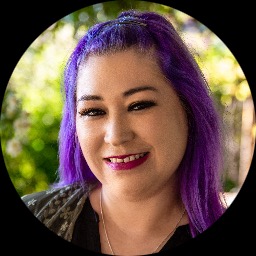
About Angeline
Her work often focuses on attachment wounds, abandonment, and codependency. She helps people talk through family-of-origin issues, blended family tensions, and the fallout from domestic violence and sexual trauma. Clients also bring concerns about impulsivity, hoarding, substance use, and problems tied to first responder or military life.
Sessions emphasize noticing everyday patterns and trying small changes that add up. Angeline helps people process difficult emotions and practice different ways of handling conflict. She also supports people navigating commitment questions, infidelity, and alternative relationship structures.
Her practice is described as nonjudgmental and collaborative. She aims to meet people where they are and move at a pace that feels manageable. Progress often comes from clearer communication, steadier daily habits, and learning how past relationships shape current choices.
Angeline holds a California LPCC, which stands for Licensed Professional Clinical Counselor. She provides services in English and does not accept international clients at this time. To begin, readers are invited to follow the site's Start Therapy flow to match and schedule according to availability.
Areas of expertise
Primary focus
Additional focus areas
Experience
6+ years
Credentials
California
Languages
English
How therapeutic approaches guide online care
Many of Angeline's techniques focus on evidence-based therapeutic techniques that pay attention to thoughts and everyday habits. One common way is to identify repeated thinking patterns, then practice alternative responses that reduce anxiety and impulsive behavior. This helps with stress, anxiety, and some mood symptoms.Another frequent focus is attachment-informed work, which looks at how early relationships shape current expectations and communication. Sessions help people notice those patterns, try new ways of relating, and repair ruptures in important relationships. That approach is often useful for abandonment concerns, codependency, and family-of-origin work.
Finding the right approach is a team effort. The therapist will talk with each person about goals and preferences, then suggest techniques that fit their situation. This collaborative process makes it easier to test what helps and change course if needed.
Confirm the exact session options before booking, since formats are not specified in the supplied biography. Online therapy can make it easier to fit appointments into a busy week, allow shorter check-ins when needed, and reduce travel time. It also makes it simpler to continue work during life transitions while keeping the focus on real-life habits and communication skills.
Frequently asked questions
What kinds of concerns does she address?
She works with stress, anxiety, addictions, trauma and abuse, bipolar symptoms, and family-related issues. Additional areas include attachment problems, codependency, hoarding, and impulsivity.
What is her general therapy style?
The approach is practical and collaborative, focusing on thoughts and everyday habits. Sessions aim to improve communication, process emotions, and try small behavior changes.
How much clinical experience does she have?
She has six years of experience working with people facing trauma, addiction, mood concerns, and family conflict.
What are her credentials and location?
She holds a CA LPCC, which means Licensed Professional Clinical Counselor in California. Her practice is based in California.
Which languages are supported?
Sessions are offered in English only.
Can people outside the United States work with her?
International clients are not currently accepted.
How does payment and cost work?
Cost varies with location and therapist availability; sessions use a subscription that can be canceled at any time.
How do I begin a therapy match?
Use the Start Therapy button, complete the short matching questionnaire, and then schedule sessions based on the therapist's availability.